


Alcohol & Drug Addiction Interventions
Breaking the Cycle of Addiction:
Effective Family Strategies
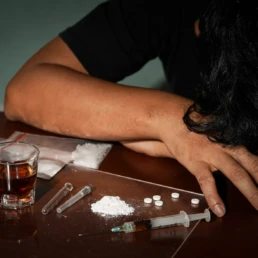
Addiction has a 70% fatality rate, and no one wants to see a loved one suffer or die from this disorder. However, the ongoing alcohol and drug addiction leaves the family confused, backed into a corner, heartbroken and at a loss for how to stop these destructive patterns. Very often, family members will try confronting the person and fall into an ineffective pattern of nagging, begging, pleading, threatening or abandoning. Some family members may unintentionally enable the cycle of alcohol or drug use in their efforts to help. These well-meaning strategies can backfire by inadvertently providing negative reinforcement of the using pattern. This unintended consequence can and often does lead to the addicted individual becoming even more resistant to help. The psychology of alcohol and drug addiction must be managed effectively. With a psychological understanding of the condition, it is possible to formulate a path through the multiple layers of resistance and prompt the addicted person to finally accept treatment.

Professional Intervention:
Key to Successful Addiction Recovery
There are neurochemical, physical and psychological problems going on that are best managed by a professional interventionist. These factors are just some of the complex issues that the interventionist needs to address. But first, the addicted person needs to accept help and get treatment. Hiring a professional alcohol and drug addiction interventionist is the best way to address this very complicated and misunderstood process of getting a resistant person to agree to help.
The alcohol and drug addiction interventions program you choose is going to make a significant difference in the likelihood of success. Our Interventionist methods of choice are backed by science and results. Let us explain!
Craft Model:
Confrontational & Non-Confrontational
There are 2 ways to approach alcohol and drug addiction interventions; Confrontational and Non-Confrontational. Most interventionists will use a confrontational approach. The confrontational approach was made popular by the TV show “Intervention”. This approach can be appropriate in extreme circumstances, especially when someone’s life is in imminent danger due to their use of drugs or alcohol. However, in most situations, a confrontational approach can have a detrimental effect. Attempting to force one into a drug rehab program, not only creates more tensions, but can also create a new bias towards that interventionist. Therefore, creating a safe and trusting relationship between the interventionist and the one clouded in judgement by the effects of alcohol and drug abuse will open the pathway to a successful rehabilitation program.
It is human nature to want to choose your own direction in life. The confrontational approach takes that choice away from your loved one. Remember your reaction the last time someone demanded you do something and didn’t give you a choice in the matter? Exactly! Confronting and forcing someone might get them into an addiction treatment centre. However, when forced into a treatment centre they can become angry, bitter and resentful, and not fully engage in treatment. This leads to a ineffective relationship between the addiction counsellors as well. We have seen this many times over the past 20 years with non-successful methods of addiction treatment. A missed window of opportunity that is often very few and far between, and can be fatal when missed. This opposition mindset can dramatically effect the therapeutic value of the treatment program. People who are forced to participate are much less likely to have a beneficial treatment outcome. Scientific research confirms the ineffective nature of the confrontational approach. This is exactly why through our meetings with the family and loved ones we are able to identify the most constructive course of action with the least amount of resistance. Our interventionists are trained in all objections that come up throughout the intervention process.
Alcohol and drug addiction treatment can cost thousands of dollars. Therefore, you definitely want the person to extract as much value as possible from the program. Especially because there may only be one chance to get this right. Our alcohol and intervention program is designed to prepare the individual for to be open-minded and willing once they enter the addiction treatment program. This dramatic difference in attitude will make involvement in treatment that much more productive and beneficial.
Thus, alcoholism and drug addiction can be addressed immediately and the drug rehab process is of value, not only financially, but most importantly, the mental health, physical well-being, emotional mindset, and overall psychological state of the one suffering receives the most benefits from the drug treatment program developed.
Craft Model:
Alcohol & Drug Addiction Interventions That Result in Success!
A Non-Confrontational Approach.
Our alcohol and drug addiction interventions are mainly based in Community Reinforcement and Family Training or CRAFT. This non-confrontational intervention approach has the best success rates for prompting resistant unmotivated people into accepting an addiction treatment program, or drug rehab in their nearby area, or alternatively, in a new area.
Together, applying a CRAFT Intervention approach we will get your loved one help.
It is vitally important to ensure your support does not cross into enabling, and that addiction does not cross your personal boundaries. Therefore, we must develop an atmosphere of support balanced with firm and specific boundaries. Drug rehab requires a combination of willingness, determination, trust, love, support, and highly structured professional addiction treatment interventionists and Clinical Counsellors. With these adjustments in place, we will begin to create an opening for the conversations that will lead to a change in all parties’ mental health and social well-being. The return to peace in the household, the entire parties involved will all begin to be able to see this new and exciting transformation in the entire family system.
Note: a non-confrontational addiction intervention approach doesn’t mean we take a passive approach, it means that we’ll address this issue in a fashion that will produce the results you and our addiction treatment team want to provide you with. The result is that your loved one is motivated to enter treatment, whether that is drug rehab, our proven outpatient addiction treatment program, our Clinical Counselling Services Program, or any other avenue of rehabilitation gives you and your loved one a life free of the ultimately fatal road of addiction.
The Craft Alcohol & Drug Addiction Interventions Strategies Help in Other Ways
The Community Reinforcement and Family Training (CRAFT) process is beneficial in many ways. This intervention model supports and guides the family on how to effectively interact with the addicted individual now and in the future. This is vital because creating or re-establishing functional relationships is essential for your loved one’s drug rehab and recovery, as well as your own emotional health. Addiction disorders and problematic substance use are challenges both the addicted individual and their family may navigate for years. Having the proper tools and skills to address your loved one’s addiction behaviours will serve everyone well. A CRAFT intervention empowers the family to see results now and prepares them for the years to come.
Beyond CRAFT, other clinically proven frameworks are often employed depending on the family’s needs. The Johnson Model is a structured, traditional approach focused on breaking through denial by presenting the individual with the impact of their addiction in a firm yet supportive setting. For families seeking total transparency, the ARISE or Invitational Model involves the individual from the very first phone call, removing the element of surprise to reduce defensiveness and build a collaborative family link. In high-crisis or complex situations involving mental health concerns, the Field Model allows the interventionist to remain flexible, adapting the strategy in real-time to ensure the safety and success of the transition into care.
No intervention or interventionist is the same as another. Because every individual is unique, a specific model or a combination of these approaches may be required. Each intervention requires a tailored strategy that considers the distinct circumstances families are facing. Addiction is a powerful physical and psychological force. Without a skilfully structured intervention, addiction will continue to progress and result in even more devastating consequences for everyone involved. To learn more about different approaches, click here!
Taking into account cultural beliefs, environmental circumstances, social connections, family systems, and mental health issues, our interventionists serve Vancouver, Surrey, Burnaby, Coquitlam, Richmond, Langley, Abbotsford, Maple Ridge, North Vancouver, White Rock, and all other surrounding areas on demand. Our intervention programmes also include serving all of British Columbia, Alberta, Saskatchewan, Ontario, and the eastern provinces. The trained intervention specialists in your area have the skills, training, and many years of experience which allow us to customize the most effective way to guide everyone involved through this difficult situation.
FAQ's
Addiction Intervention
Answers to frequently asked questions about addiction intervention.
An addiction intervention is a structured and compassionate process in which family members, loved ones, and trained intervention specialists come together to encourage someone with drug or alcohol addiction to accept treatment. The goal is to confront the issue with care, provide clarity on the consequences of continued substance use, and offer a clear path into professional treatment.
Professional interventionists bring experience, objectivity, and specialised training to a highly emotional situation. They help families plan the intervention, anticipate resistance, communicate effectively, manage conflict, and present treatment options in a way that increases the likelihood the person with addiction will accept help.
During planning sessions, the interventionist meets with family members to understand the unique dynamics of their situation. This includes gathering information about the person’s substance use, medical history, personality, and past attempts at change. A tailored strategy is developed that outlines roles, communication approaches, and supportive statements to be used during the formal intervention meeting.
Preparation prior to the intervention is critical. This is why we meet with family members and loved ones before the intervention and develop a specific plan, preparing them with what to expect. During an intervention the family members or loved ones will be given time to express their concerns about the addicted persons behaviours in a non-blaming and non-judgemental way. Blame and judgement can lead to resistance from the addicted individual. An interventionist is trained and equipped with the skills to handle any objections presented. Interventions can take time and we continue to work with the family to move forward and provide help with getting the individual into a suitable treatment program.
While many people agree to enter treatment after a well‑planned intervention, acceptance cannot be guaranteed. A professional interventionist helps manage refusal or hesitation and may recommend follow‑up strategies, additional planning sessions, or alternative approaches to maintain engagement and eventually guide the person into care.
Interventions usually cost anywhere from $2500-$10,000. Pacific Interventions provides interventions ranging from $3000-$5000 which could include additional costs such as travel.
The duration of the intervention process varies depending on the complexity of the situation, family dynamics, and willingness of all parties to participate. Planning can take multiple sessions over days or weeks, and the intervention meeting itself typically occurs over a single scheduled session. Follow‑up may continue after the initial intervention to support treatment entry.
While the term “intervention” can sound confrontational, today’s best practices emphasise empathy, support, and respect. Modern intervention models focus on compassion, understanding emotional triggers, and building trust so the individual feels supported rather than attacked, which improves the likelihood of accepting help.
Participants typically include close family members, partners, and supportive friends. Professional interventionists guide who to involve based on relationships and dynamics to ensure a balanced and helpful setting. Minimising triggering or negative relationships can strengthen the impact of the conversation.
Following an intervention, treatment options may include inpatient (residential) addiction programs, outpatient rehab, counselling, medically supervised detox, and continuing care support. The interventionist helps match the individual with the most appropriate level of care based on clinical evaluation and personal circumstances.
To begin the intervention process, contact Pacific Interventions for a confidential consultation. A trained specialist will assess your situation, explain the steps involved, and begin planning a personalised approach. Early engagement and open communication with professionals improve outcomes.
After an intervention, many things can happen. Even though the individual has accepted help, they can get cold feet once the treatment program has begun. An interventionist will have provided you with the tools to deal with situations that come up. The intervention service will be available for a period of time to intervene if needed. After this time, it is the responsibility of the addicted person, the rehab program they have committed to, and the family members and loved ones involved to work together with a continued plan of action.