


When Trying to Help Isn’t Working
Effective Intervention Strategies
Watching someone struggle with alcohol and drug addiction and refusing help often leaves families feeling powerless. Conversations turn into arguments, boundaries get pushed, and the same destructive patterns repeat themselves again and again. Over time, it starts feeling like there is nothing you can do to stop it from spiralling out of control. This often leads to nagging, begging and pleading the loved one to change, and some family members just completely disengage. In many cases, trying these ineffective strategies and waiting only makes the situation worse. The substance use continues to become more frequent, more unpredictable, and harder to interrupt. Families often find themselves reacting to crises instead of having any real control over what happens next. Instead of constantly reacting to the next crisis, many families choose to break the cycle through professionally facilitated alcohol and drug interventions in Vancouver. Taking this structured step allows a family to stop the ineffective strategies of the past and regain a sense of clinical control over what happens next.
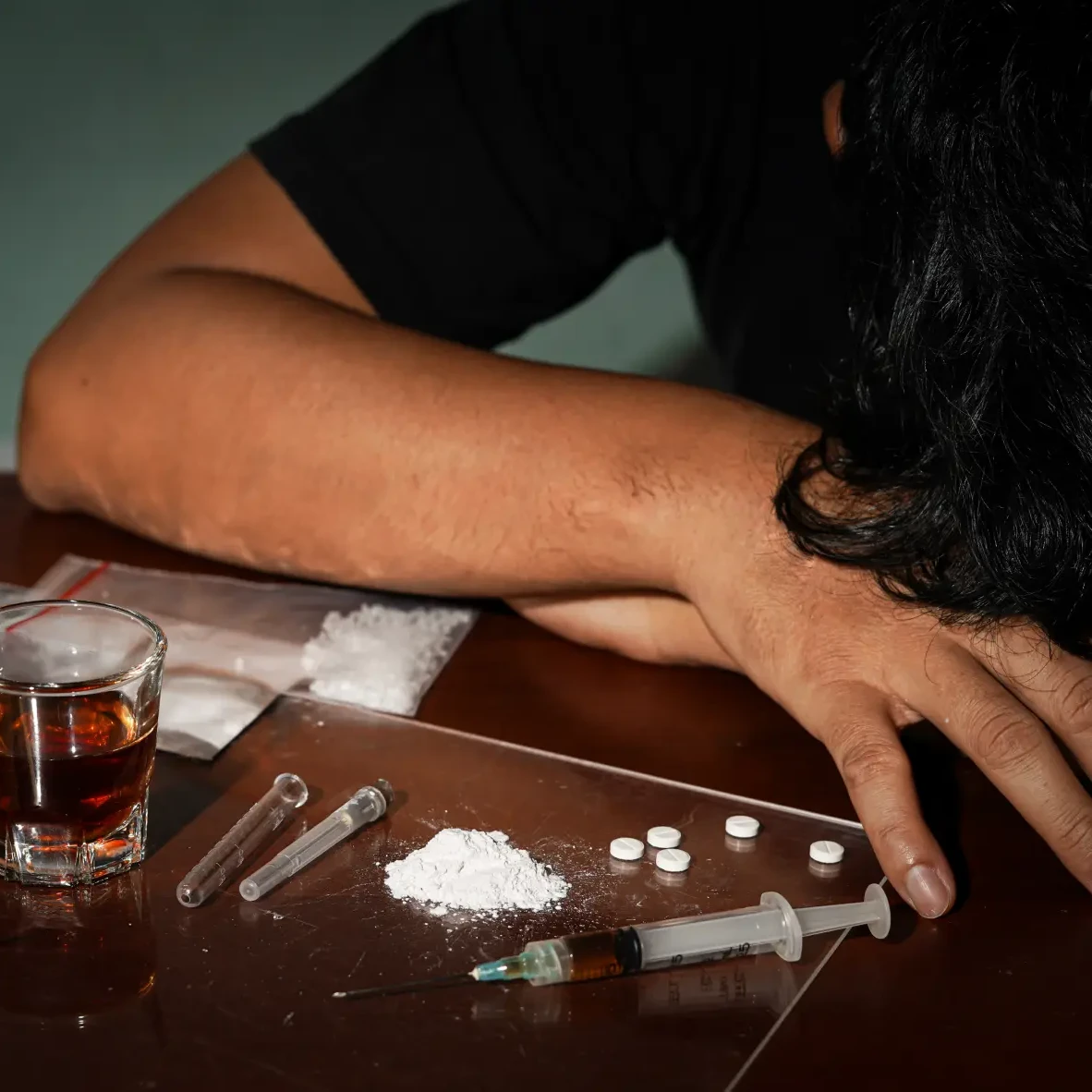

Why Alcohol and Drug Interventions Work When Nothing Else Has
Most attempts to help break down in the chaos created by addiction. Emotions are strained, conversations go off track, and the person using either shuts down or pushes back. What might have been a turning point ends up being the same old patterns. A structured alcohol and drug intervention in Vancouver is designed to prevent that.
The timing is planned, the approach is deliberate, and each person involved knows exactly what they are going to say and do. This removes the uncertainty that usually causes these situations to fail. It also creates a window where a decision has to be made. Instead of leaving the outcome open-ended, the process is built for your loved one to move quickly and directly into a treatment program.
Evidence-Based Models Tailored to Your Family
Two common styles for an intervention are confrontational and non-confrontational. Many people are only familiar with the surprise approach often shown on television. While a direct method may be necessary if a life is in immediate danger, a softer approach may be more suitable for other situations.
Every family dynamic is unique. Some individuals respond well to a direct challenge of their reality. Others may feel cornered by a sudden meeting, which can sometimes lead to resentment or a lack of engagement in a drug rehab program. Choosing the right style is about finding the balance that encourages your loved one to fully commit to their recovery.
Our goal is to create a safe and trusting environment for everyone involved. Research shows that when a person feels respected and understood, they are more likely to stay in treatment and achieve a positive outcome. Selecting the most appropriate method ensures your family receives the most value from the recovery process, both financially and emotionally.
To find the best path for your specific situation, it is important to understand the different options available. Here are the four primary intervention models used to help families transition from a state of crisis to a life of healing.
The ARISE Model:
Non-Confrontational
A graduated, invitational approach that treats the individual as a partner in their own journey. This non-confrontational methodology uses transparency to build trust and lower the emotional barriers that typically block the path to help.
The CRAFT Model:
Non-Confrontational
Community Reinforcement and Family Training is a powerful, evidence-based method that trains the family to change their own communication loops. It rewards healthy choices and allows natural consequences to motivate the individual toward treatment.
The Family Systemic Model:
Non-Confrontational
This approach treats addiction as a family disease. Instead of focusing only on the person using it, it heals the entire household together to create a sustainable, healthy environment for everyone involved.
The Johnson Model:
Confrontational
A traditional and direct method designed to break through deep denial. This model uses a structured meeting where family and friends present the reality of the addiction with love and firm boundaries.
The Stages of a Successful Intervention
We guide you through a clear, four-step process so that every member of the family feels supported and prepared.
The Assessment:
We begin by meeting with your family to understand your unique history. Our team looks at the specific challenges you are facing, including the current living situation and the substances being used. We also evaluate the family dynamics to ensure we have a complete picture. This initial step allows us to identify the underlying patterns that need to be addressed before the intervention begins.
The Planning Phase:
During this phase, the interventionist and family create an intervention plan of action. Planning addresses practical details such as when and where the intervention will take place, as well as what treatment may look like if the individual agrees to accept help. This includes considering whether a residential inpatient treatment program or an outpatient alcohol and drug rehab center is appropriate, the treatment approach, practical factors such as cost and budget, and where treatment may take place. We also prepare family members for the intervention itself, including help with writing letters and establishing clear boundaries, so everyone is ready to present a consistent message of support.
The Intervention Meeting:
A professional interventionist leads the structured meeting to keep the conversation calm and focused. The goal is to move away from conflict and instead lead with genuine concern. We guide the family through the process of offering immediate help to their loved one. Having a neutral professional present helps to manage high emotions and keeps the meeting on track toward a positive outcome.
Post-Intervention Phase:
We remain involved to manage any resistance that may occur before a person agrees to seek help. Our facilitators are trained to handle objections and keep the focus on recovery. Once your loved one accepts the offer of help, we manage all the logistics. This includes arranging safe transport to the chosen treatment facility so that the transition is seamless and secure.
Our interventionists serve Vancouver, Surrey, Burnaby, Coquitlam, and the surrounding areas. We also provide services across British Columbia, Alberta, Saskatchewan, and Ontario. By taking into account cultural beliefs, family systems, and mental health, we customize a plan that offers the most effective path to healing. Our team has years of experience guiding families through these difficult situations with skill and compassion.
FAQ's
Addiction Intervention
Answers to frequently asked questions about addiction intervention.
An addiction intervention is a structured and compassionate process in which family members, loved ones, and trained intervention specialists come together to encourage someone with drug or alcohol addiction to accept treatment. The goal is to confront the issue with care, provide clarity on the consequences of continued substance use, and offer a clear path into professional treatment.
Professional interventionists bring experience, objectivity, and specialised training to a highly emotional situation. They help families plan the intervention, anticipate resistance, communicate effectively, manage conflict, and present treatment options in a way that increases the likelihood the person with addiction will accept help.
During planning sessions, the interventionist meets with family members to understand the unique dynamics of their situation. This includes gathering information about the person’s substance use, medical history, personality, and past attempts at change. A tailored strategy is developed that outlines roles, communication approaches, and supportive statements to be used during the formal intervention meeting.
Preparation prior to the intervention is critical. This is why we meet with family members and loved ones before the intervention and develop a specific plan, preparing them with what to expect. During an intervention the family members or loved ones will be given time to express their concerns about the addicted persons behaviours in a non-blaming and non-judgemental way. Blame and judgement can lead to resistance from the addicted individual. An interventionist is trained and equipped with the skills to handle any objections presented. Interventions can take time and we continue to work with the family to move forward and provide help with getting the individual into a suitable treatment program.
While many people agree to enter treatment after a well‑planned intervention, acceptance cannot be guaranteed. A professional interventionist helps manage refusal or hesitation and may recommend follow‑up strategies, additional planning sessions, or alternative approaches to maintain engagement and eventually guide the person into care.
Interventions usually cost anywhere from $2500-$10,000. Pacific Interventions provides interventions ranging from $3000-$5000 which could include additional costs such as travel.
The duration of the intervention process varies depending on the complexity of the situation, family dynamics, and willingness of all parties to participate. Planning can take multiple sessions over days or weeks, and the intervention meeting itself typically occurs over a single scheduled session. Follow‑up may continue after the initial intervention to support treatment entry.
While the term “intervention” can sound confrontational, today’s best practices emphasise empathy, support, and respect. Modern intervention models focus on compassion, understanding emotional triggers, and building trust so the individual feels supported rather than attacked, which improves the likelihood of accepting help.
Participants typically include close family members, partners, and supportive friends. Professional interventionists guide who to involve based on relationships and dynamics to ensure a balanced and helpful setting. Minimising triggering or negative relationships can strengthen the impact of the conversation.
Following an intervention, treatment options may include inpatient (residential) addiction programs, outpatient rehab, counselling, medically supervised detox, and continuing care support. The interventionist helps match the individual with the most appropriate level of care based on clinical evaluation and personal circumstances.
To begin the intervention process, contact Pacific Interventions for a confidential consultation. A trained specialist will assess your situation, explain the steps involved, and begin planning a personalised approach. Early engagement and open communication with professionals improve outcomes.
After an intervention, many things can happen. Even though the individual has accepted help, they can get cold feet once the treatment program has begun. An interventionist will have provided you with the tools to deal with situations that come up. The intervention service will be available for a period of time to intervene if needed. After this time, it is the responsibility of the addicted person, the rehab program they have committed to, and the family members and loved ones involved to work together with a continued plan of action.