

Common Signs of Withdrawal and How We Manage Them
Withdrawal occurs when the body is forced to function without a substance it has become dependent on. In the current landscape of British Columbia’s substance use crisis, the recovery process is no longer predictable. A toxic drug supply, frequently containing fentanyl and unregulated additives like benzodiazepines, has fundamentally shifted standard clinical timelines. What was once a relatively straightforward process now involves significant medical complexity and requires a higher level of oversight to ensure safety. When symptoms begin to escalate rather than stabilize, the risk to the individual can intensify rapidly. Accessing a professionally administered drug withdrawal treatment facility in Vancouver provides the structured environment and clinical expertise necessary to navigate these modern challenges safely. At the center of this transition is physician-led care, which provides a vital bridge from active substance use to long-term physical stability.
What to Expect: The Physical and Mental Toll
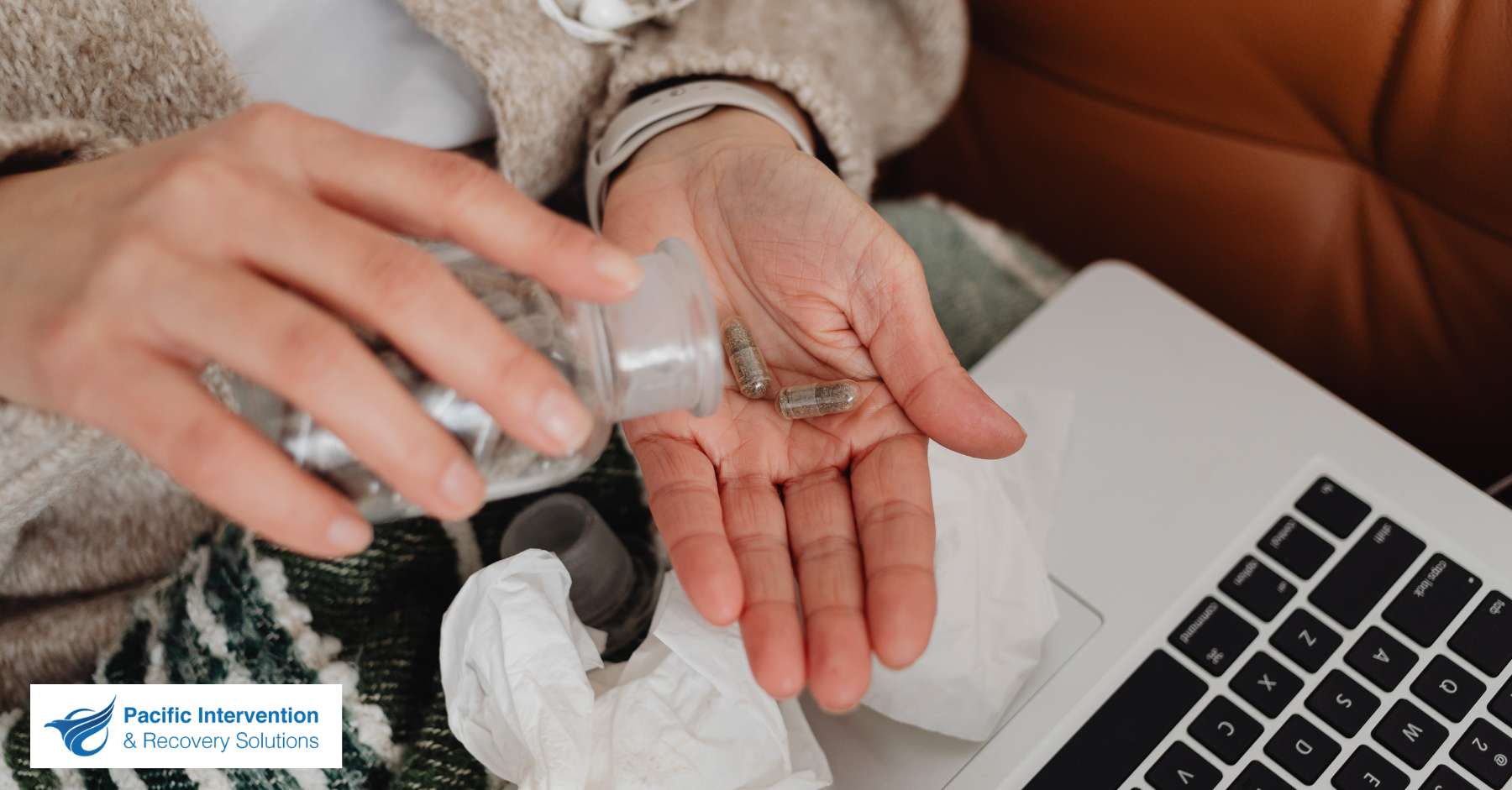
Withdrawal symptoms come in waves. While every person’s biology differs, the symptoms generally fall into two categories that feed into each other. Physical symptoms often start with cold sweats, tremors, and gastrointestinal distress. Heart rate can spike, and sleep becomes nearly impossible.
As physical symptoms peak, psychological pressure follows. Anxiety and irritability can become overwhelming. The crash from stimulants often leads to profound depression, while opioid withdrawal creates a desperate, singular focus on finding immediate relief. Navigating these symptoms alone is not only difficult but can be dangerous without professional intervention.
Why Physician-Led Oversight is Essential
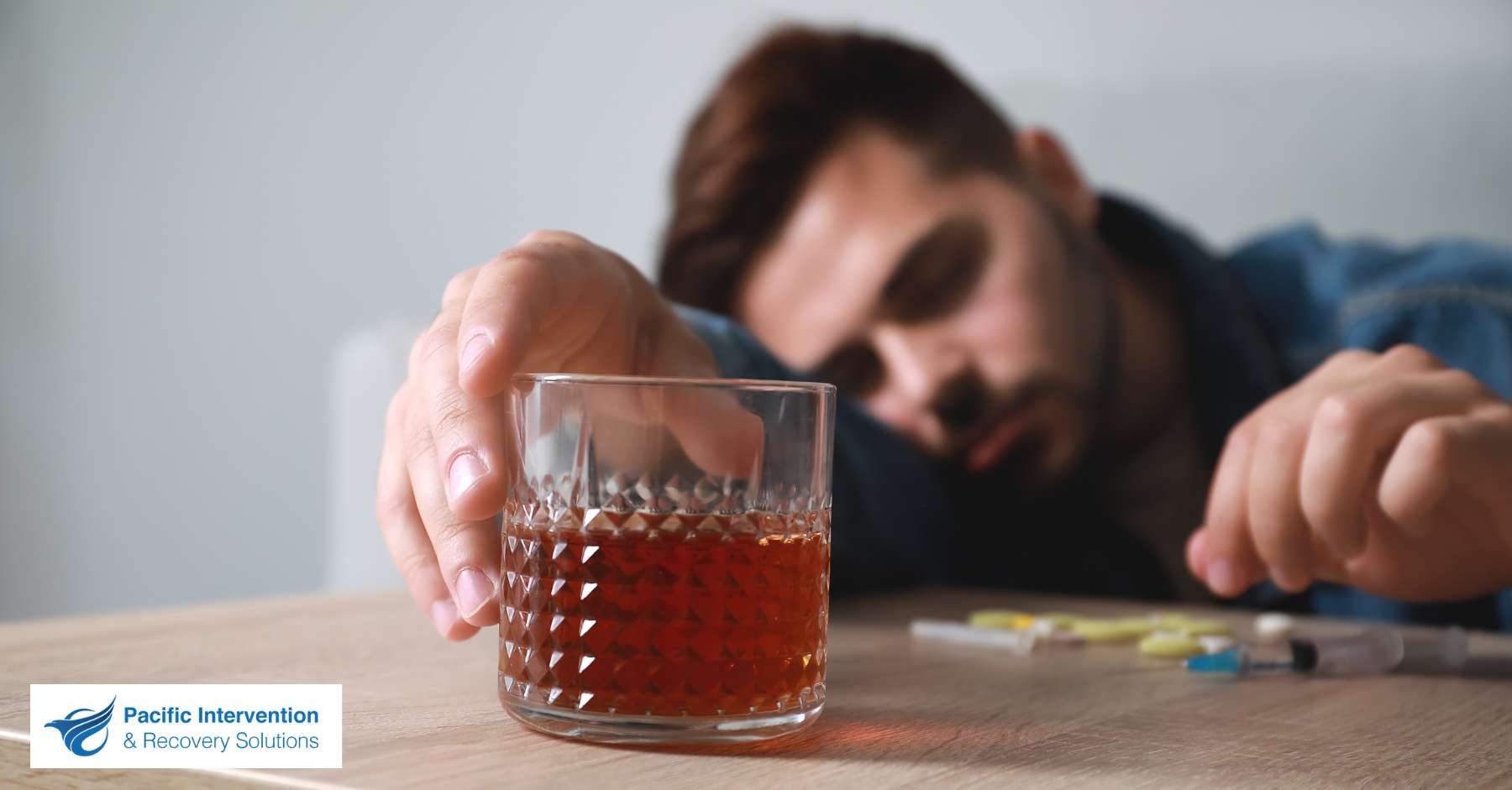
In years past, opioid withdrawal was considered agonizing but rarely fatal. Today, with the introduction of synthetic drugs like fentanyl and especially benzo-dope in the British Columbia unregulated street drug supply, it’s now a completely different reality. These drugs pose a significantly higher risk of withdrawal complications.
The Benzo-dope and Benzodiazepine Complication
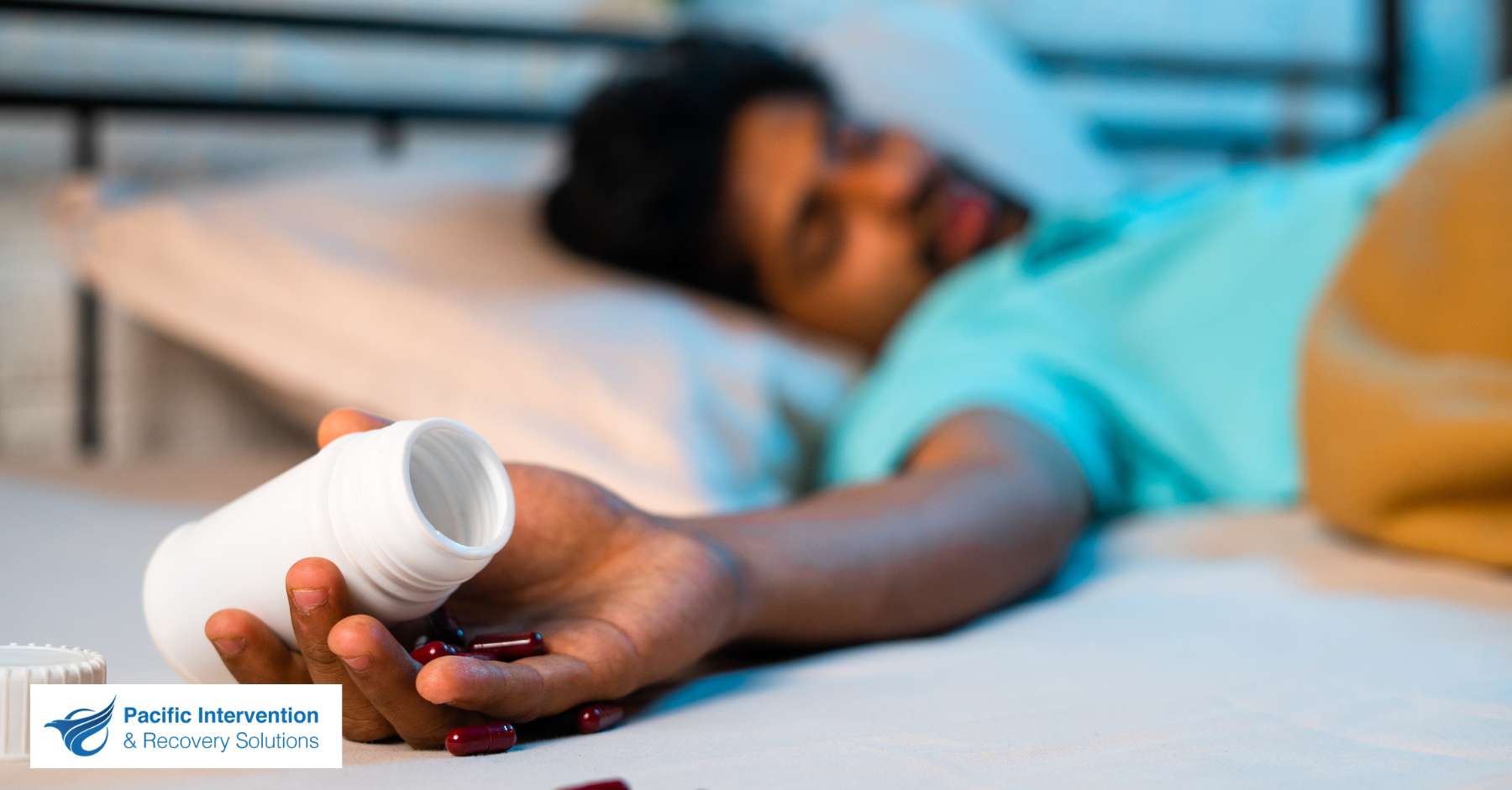
Much of the local drug supply is now contaminated with benzodiazepines, frequently referred to as benzo-dope. This toxic combination of substances creates a complex withdrawal scenario. Unlike opioids alone, benzodiazepine withdrawal can trigger seizures and life-threatening complications. These withdrawal symptoms require management by a licensed doctor who can prescribe stabilizing medications and monitor the physical symptoms to prevent acute medical crises.

The Post-Withdrawal Gap
The greatest risk of fatal overdose occurs immediately after withdrawal. As the body clears the substance, tolerance drops significantly. If the discomfort of the process leads to a return to use, a previously “normal” dose can be lethal. Our programs ensure that while physicians manage physical stabilization, our team manages the transition to prevent this high-risk window from leading to relapse.
Navigating the Timeline
There is no fixed schedule, but most individuals move through these general phases:
Onset (6 to 24 Hours): Anxiety and the first physical signs, like cravings, sweating, and restlessness, begin.
The Peak (2 to 4 Days): The most intense period for vomiting, shaking, and muscle aches.
The Transition (5 to 10 Days): Physical symptoms begin to fade, but psychological exhaustion and “brain fog” set in.
With fentanyl and benzodiazepine, these phases can be delayed or erratic. This is why the medical monitoring integrated into medically assisted withdrawal management is vital for safety.
Professional Support in Vancouver
The goal of the withdrawal programs at Pacific Interventions is to provide a stable environment where recovery can begin safely. We provide a comprehensive framework and support systems. Licensed medical doctors manage the clinical practice, including prescribing medications and overseeing acute symptom relief.
Contact Pacific Interventions at 1-604-537-3503 to speak with our Vancouver team. You can also schedule a consultation online to learn about our physician-supported withdrawal and detox programs near you.