

Drug addiction doesn’t usually begin the way people expect. It often starts as something controllable, like occasional use to have a good time. Eventually, that use can shift into using substances to cope with stress or escape difficult situations, and this turn rapidly into something harder to control, where stopping feels arduous even when the consequences are painful.
Drug addiction is a condition where a person loses control over their substance use despite negative effects on their health, relationships, and daily life. It involves both physical and psychological dependence, which is why it can be so difficult to stop without support. If you’re trying to understand whether this applies to you or someone close to you, the signs are often more noticeable than people think. This article breaks down what drug addiction is and what to look for, but if you require immediate assitance, call 1-604-537-3503 and speak to an addiction specialist today, or book a free consultation here.
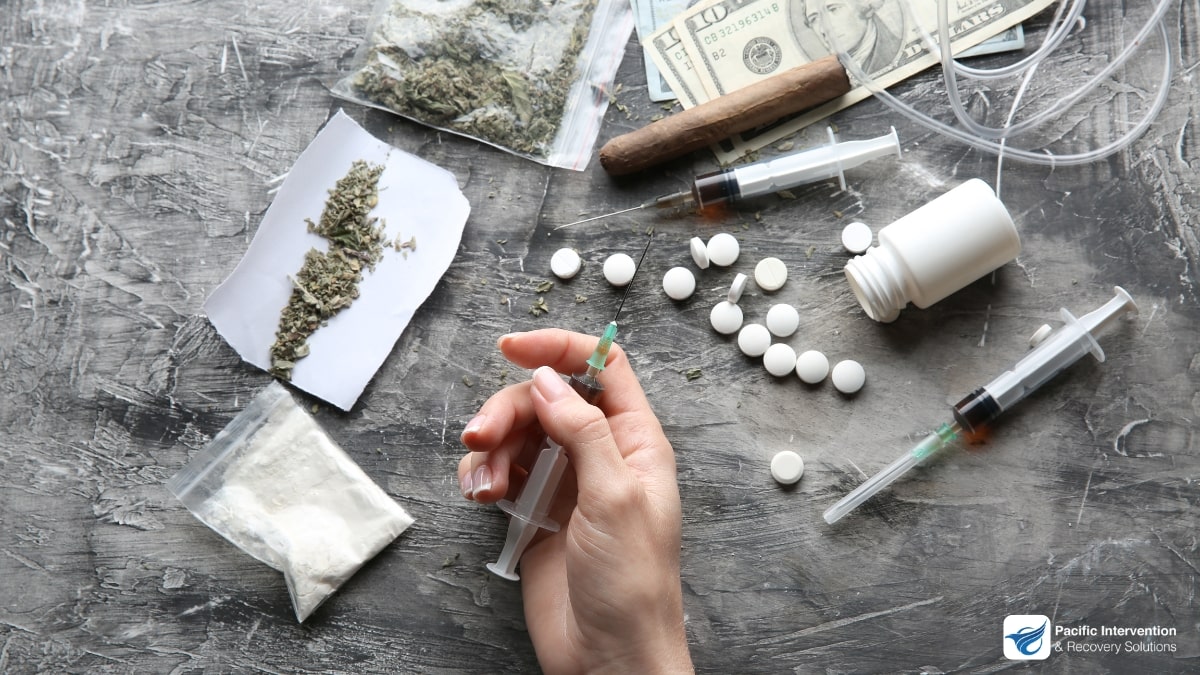
Drug Addiction in Canada: How It Starts and Why It Persists
Drug addiction affects people across Canada, impacting individuals, families, and communities in every province. According to the Canadian Centre on Substance Use and Addiction (CCSA), substance use remains a major public health concern, with rising harms linked to opioids, stimulants, and polysubstance use. For many people, drug use begins as a voluntary decision. Over time, repeated use can change how the brain functions, especially in areas related to reward, stress, and self-control. These changes can make it difficult to stop, even when there are serious consequences.
Addiction is now understood as a chronic, relapsing condition rather than a lack of willpower. Factors like mental health, trauma, environment, and access to substances all play a role in how addiction develops and continues. In Canada, the growing presence of highly potent and unpredictable substances, including fentanyl and other synthetic drugs, has made addiction more dangerous and complex than ever before.
What Happens When You Take Drugs?
As you know, drugs can affect the brain by causing euphoria; then, your brain releases a significant amount of dopamine. Now, you face a reward system that encourages your brain to take drugs again and again and again. You can see bad behaviour developing, but over time, your efforts to correct it become less effective.
When you continue to take drugs, your brain becomes addicted to the reward. A subconscious signal from the brain’s reward center encourages the repetition of this pattern.
When you take a drug for the first time, your brain experiences a highly pleasurable feeling. Now, due to the development of drug tolerance, you cannot feel it as intensely, so you have to take more drugs to produce the same intensity. When taking drugs in this manner, the enjoyment of other exciting activities like sex and social activities feels insignificant.

Drug Addiction Effect
When you take drugs, your brain and body become dependent on them. That dependence drives the need to repeat the pattern. If you don’t take the drug, you will experience the discomfort of withdrawal.
So you have to take more drugs to avoid this discomfort. Now you are addicted to drugs!
What is truly concerning is that, despite being aware of this harmful effect, unfortunately, people still turn to taking drugs as a recreational pursuit or as a tool to manage stress. In either situation, it can lead to dire consequences.
Short-Term Effects
Physical Effects:
- Increase heart rate
- Increase blood pressure
- Sleep Pattern Changes
- Nausea and vomiting
- Dizziness headaches
Mental Effects:
- Anxiety
- Panic attacks
- Paranoia
- Hallucinations
- Mood swings and irritability
- Short-term memory loss
Socioeconomic Effects:
- Lost Days of Work
- Relationship Difficulties
- Loss of Earnings
- Missed Social Events
- Loss of Recreational Activity
- Loneliness
Long-Term Effects
Physical Effects:
- Heart disease
- Liver damage
- Respiratory issues
- Weakened immune system
- Neurological damage
- Persistent gastrointestinal problems
Mental Effects:
- Depression
- Anxiety
- Schizophrenia
Socioeconomic Effects:
- Loss of Job
- Divorce
- Unemployability
- Isolation
- Derelict
- Criminal Court/Incarceration
Signs of Drug Addiction
I want to provide you with a clear understanding of recognizing signs of drug addiction. This is very important for prevention, early intervention, and treatment. There is no signal indicator that a person will be or that they are addicted to drugs, actually, there is a combination of factors and indicators that influence drug addiction. These indicators are:
- Genetics: A family history of drug addiction can play a role. Gender can also play a role; 11.5% of boys and men develop a drug addiction, compared to 6.4% of girls and women.
- Psychology: Conditions like anxiety or depression can play a role.
- Socioeconomic: Lack of education or quality employment opportunities can play a role. A limited or absent supply of healthy, close, loving relationships can also play a role.
When some or all of these indicators are present, the individual is at a much higher risk of developing a drug addiction.
Note: recognizing the signs below early can make a significant difference in getting the necessary help and support for drug addiction.
Physical Signs
Physical signs of drug addiction can be subtle in the early stages and very noticeable as the condition progresses. Examples of physical signs include pupils that are smaller or larger than usual, bloodshot eyes, irregular sleep patterns, a runny nose, impaired coordination, individuals appearing tired or hyperactive, and sudden weight gain or loss
Behavioural Signs
Behavioural changes, whether sudden or appearing over time, can indicate drug addiction. Examples of the behavioural signs include mood swings, irritability, rage, nervousness, anxiety, paranoia, missing work, lack of personal hygiene, and avoiding responsibilities.
Psychological Signs
The psychological pressure of drug addiction can cause significant adverse effects. Examples of psychological signs include loss of enthusiasm, loss of self-esteem, self-pity, depression, suicidal thoughts, and hopelessness.
Social and Lifestyle Impact
The social signs of drug addiction are profound. Being addicted to drugs leads a person away from healthy relationships with peers who are also involved in drug use, or the addicted individual can lapse into isolation, leading to intense feelings of loneliness. Additionally, drug-addicted individuals are at higher risk for domestic violence, intimate partner violence, impaired driving, and many other criminal offences
Conclusion
In conclusion, drug addiction is a chronic challenge in society. However, professional medical healthcare organizations are available to help people with drug Addiction. As seen in the physical and psychological signs section of the article, there are clear indicators of drug addiction.
If you notice these signs, looking for professional help immediately is best. By addressing drug addiction early, people have a much better chance of recovery. If you or someone you know is struggling with this issue, please get in touch with an addiction treatment provider as soon as possible.
FAQs
1. How quickly can someone become addicted to a drug?
How quickly someone can become addicted depends on multiple factors. The type of drug being used is a significant factor. Many drug effects can lead to physical and psychological dependence. Other factors are the individual’s level of social connection and genetic predisposition.
2. Can drug addiction be treated?
Absolutely, yes, drug addiction can be treated, but remember, a person who is addicted to drugs needs effective treatment and treatment plans to quit drugs. The best treatment plan for quitting drugs is a combination of medication and therapy.
3. What are the risk factors for developing a drug addiction?
There are lots of risk factors for developing a drug addiction, but the most important of them are genetics, mental health disorders, and the lack of family and friends’ support. Additionally, some environmental factors, like a community with high drug availability, can also increase the risk.