


Herion: What is it and why Herion Rehab Helps
Being able to quit an extremely addictive substance with even more extreme withdrawal symptoms is not only difficult, but can be dangerous as well. The danger is that if a person stops for a few days and then decides to use again, they usually use their normal dose, with fentanyl being a major additive, along with other benzos, the immediate risk is overdose. This is very common when using heroin, opioids and other substances in todays society. This is why we have set up a safe and reputable Heroin rehab program that will ensure proper medical attention and minimal withdrawal. This drug rehab program can be done at your home. Our Counsellors serve Richmond, West Vancouver, North Vancouver, New Westminster, Burnaby, Coquitlam, Surrey, Langley, Maple Ridge, Mission, Abbotsford, Chilliwack, Hope, and the BC Interior stretching into Alberta, Canada wide.
Common problems caused by heroin abuse
- Transmittable diseases such as HIV/HepC
- Loss of motor skill function
- Extreme drowsiness
- Communication Strategies
- Loss of appetite
- Constipation
- Slowness of breathing
- Heart infections
- Kidney disease
- Seizures
- Death
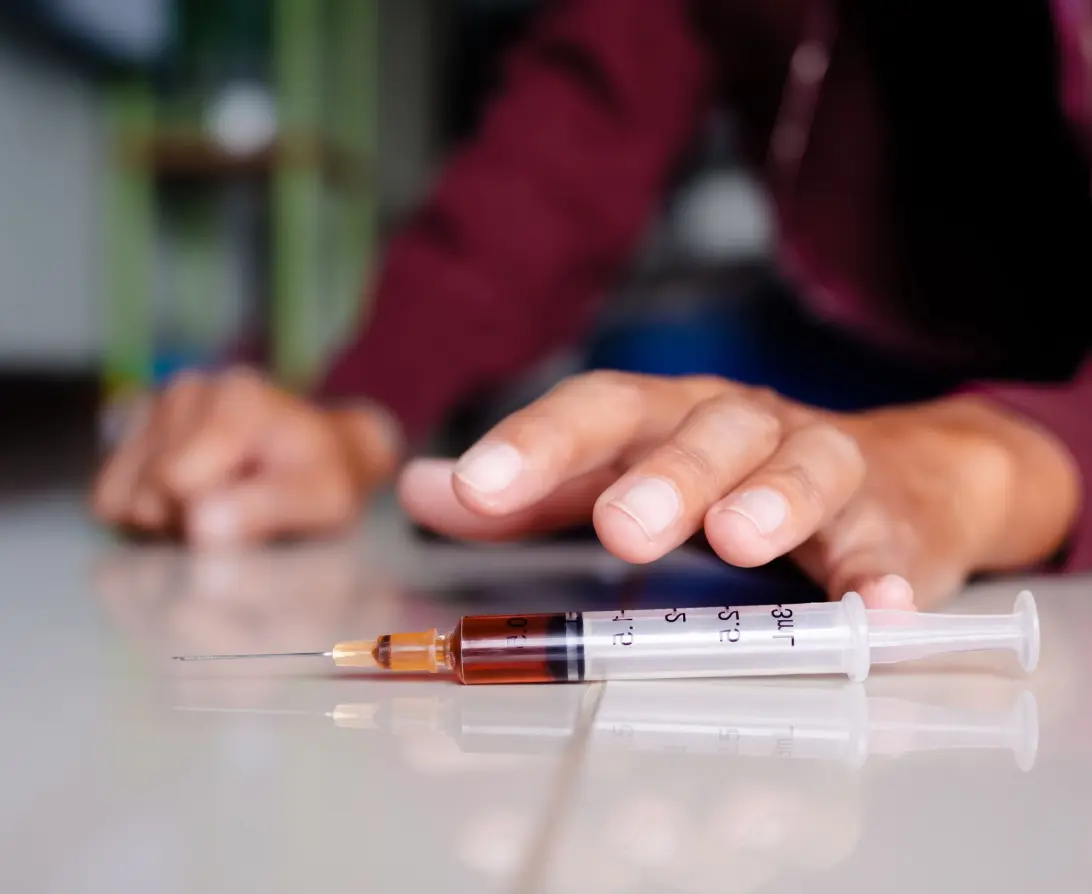

Why drug users become addicted to heroin
Most people either like heroin or they hate it the first time they try it. Most that become addicted will need some sort of Heroin Rehab. The effects of using is an instantaneous rush, as the heroin enters the blood stream causing an immediate feeling of pleasure, the flood of endorphins triggered by the heroin leaves the person with an extreme sense of calm and well-being. Alternatively, nausea is usually experienced also. This is the fork it in the road for most. After person injects heroin the first few times, some can decide not to do it anymore. On the other hand, when most people experience extreme euphoria, a huge rush of pleasure, and complete escape from reality, it leads quickly to daily dependance. Once dependance has been reached, the ability to quit on ones own will power is extremely difficult. Having our drug rehab occur in your home will relieve many of the stresses of entering an inpatient facility. If you are looking for addiction treatment nearby, you will find several inpatient facilities, which we can help you access. Outpatient treatment is more limited. Our outpatient drug rehab program is tailored to effectively implement specific methods that serve your needs and your schedule.
Finding a heroin rehab program that fits you
FAQ's
Heroin Rehab
Answers to frequently asked questions about heroin rehab.
Heroin rehab refers to professional treatment programs designed specifically for individuals addicted to heroin. Because heroin is a highly addictive opioid that alters brain chemistry and produces intense cravings and withdrawal symptoms, quitting without structured support is extremely difficult and potentially dangerous. Professional rehab provides medical supervision, therapy, and relapse prevention skills.
The first step in heroin rehab is typically a comprehensive assessment to evaluate physical, psychological, and social needs. This often includes medical monitoring, especially during detoxification, which may employ medication‑assisted treatment (MAT) to safely manage withdrawal symptoms and reduce cravings.
Heroin detox is the medically supervised process of clearing heroin from the body. Because heroin withdrawal symptoms — such as nausea, muscle pain, anxiety, and insomnia — can be severe, detox in a clinical setting ensures safety and comfort. Many programs use FDA‑approved medications to ease symptoms and support stabilization.
The length of treatment varies based on individual needs, severity of addiction, and response to therapy. Many structured programs recommend at least 30–90 days of comprehensive care, with additional support through outpatient services or aftercare to help maintain long‑term recovery.
Heroin rehab typically includes evidence‑based therapies such as cognitive behavioural therapy (CBT), motivational interviewing, group counselling, and relapse prevention planning. These therapies help address behavioural patterns, emotional triggers, and underlying mental health issues that contribute to addiction.
Yes. Medication‑assisted treatment (MAT) is often used in heroin rehab to help reduce withdrawal symptoms and cravings. Medications like methadone, buprenorphine, or other approved therapies may be used in combination with counselling to support long‑term recovery.
No. Heroin rehab can include both inpatient (residential) and outpatient treatment options depending on the individual’s needs. Inpatient rehab provides 24/7 support in a structured setting, while outpatient care allows clients to live at home and attend scheduled treatment sessions.
After heroin rehab, aftercare services — such as ongoing counselling, peer support groups, and relapse prevention planning — are essential for maintaining sobriety. These supports help individuals transition back into everyday life while managing stress and triggers that could lead to relapse.
Yes. Family involvement can be a critical part of recovery. Family counselling and education help loved ones understand addiction, improve communication, and support healthy dynamics that promote long‑term success.
Signs that someone may need heroin rehab include increasing tolerance and dependence, inability to stop using despite negative consequences, prioritising heroin over work or relationships, and experiencing withdrawal symptoms when not using. Professional assessment can help determine the appropriate level of care.
To begin heroin rehab with Pacific Interventions, contact the team for a confidential consultation. Specialists will assess your situation, explain treatment options, and help you or your loved one navigate the next steps toward recovery.