


Our Aftercare Services
Family Help and Education
Aftercare programs are designed not only to help the individual but also to provide education and support for the family members as well. The team at Pacific Interventions provides constant support and feedback for all involved in our after-care services program in Vancouver.
Therefore, referrals for family members are often made to community-based resources such as Al-Anon, Nar-Anon, or alternative strategies such as the CRAFT (Community Reinforcement And Family Training) approach. Addiction causes instability; there needs to be a precise path to re-establish stability within the family. Teaching our relapse prevention methods to our clients, in turn, transfers to the entire group of loved ones who are involved in a person’s recovery process.


An Open Conversation
After a recovering addict returns from treatment, there will be many questions and concerns. Many of these questions do not get answered through an inpatient program, whereas an outpatient program encompasses all these factors in the drug rehab program. New habits, coping mechanisms and rebuilding relationships will be at the forefront. We strive to ensure a safe environment for all those who have concerns with this process and provide a platform for them to be expressed. Recovery is a long process; communication and support will play a huge role in the aftercare treatment services and transfer into an ongoing aftercare process.
Recovery Program Options
Everyone goes through the healing process differently. Pacific offers many different recovery paths, depending on the individual. Alcoholics Anonymous, Narcotics Anonymous and SMART Recovery are just a few. With our customized approach, we identify the specific needs of the individual for his/her recovery. These programs allow for guidance, structure and accountability in one’s recovery, and each of them has something different to offer. These aftercare services, such as addiction counselling services, for example, give the recovering addict an opportunity to connect with large therapeutic communities and peer support.

Post Treatment Transition
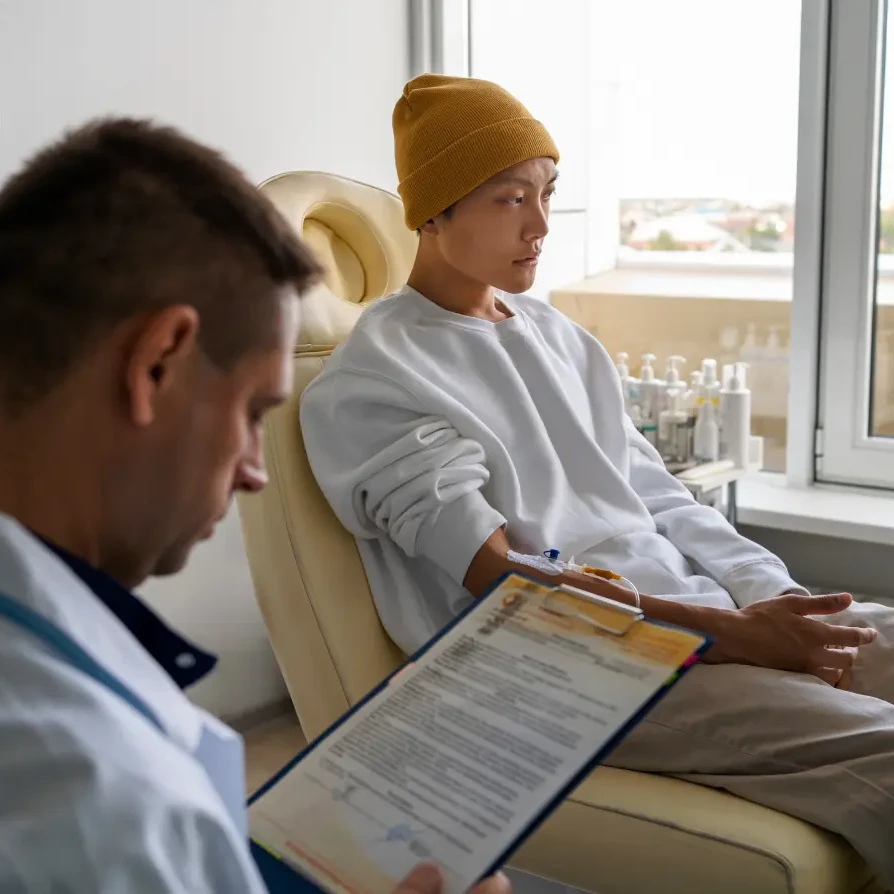
The transition from an inpatient treatment facility to re-integrating into your life can be a daunting task. Our program provides aftercare treatment services for transitional housing, allowing individuals to gradually rebuild their lives. Living with others who have gone through similar experiences allows the individual to have continued support with safety and security from a potential relapse, which allows clients who are focused on staying sober to always have that support available to them.
Bridging the Gap - After Care Treatment Services
There are many underlying factors which cause addiction. Pacific Interventions recognizes that there needs to be a bridge between mental health and addiction. We want the individual to succeed after their initial entry into recovery. Our aftercare treatment services and Recovery Coaching are aimed at ensuring all aspects of the individual’s health are considered. The best possible aftercare outcome is through working with not only Pacific Interventions, but also other health care and recovery professionals, which are implemented into the relapse prevention methods.

FAQ's
Aftercare Services
Answers to frequently asked questions about aftercare services.
Aftercare services are structured supports provided after completing a formal treatment program to help individuals maintain sobriety, manage triggers, develop coping skills, and transition back into daily life with continued accountability. These services act as a bridge between treatment and long‑term recovery.
Aftercare is critical because recovery doesn’t end when formal treatment does. Without ongoing support and relapse prevention skills, individuals are more vulnerable to stress, cravings, and high‑risk situations. Aftercare helps reinforce healthy habits and provides resources to navigate challenges, increasing the likelihood of sustained recovery.
Aftercare can include ongoing one‑on‑one counselling, group therapy, peer support groups such as Alcoholics Anonymous or SMART Recovery, relapse prevention planning, referral to community resources, and transitional housing or supportive recovery environments. Plans are customised based on each person’s needs.
Aftercare services specifically teach relapse prevention strategies, such as identifying personal triggers, developing coping mechanisms, and managing stress without returning to substance use. Regular check‑ins with counsellors or specialists help individuals address emerging issues before they escalate.
Yes. Family education and support are often incorporated into aftercare so loved ones understand addiction’s dynamics, learn healthy communication, and support the person in recovery. Referrals may also be made to family‑focused support groups like Al‑Anon or Nar‑Anon to strengthen the family’s recovery environment.
In many cases, aftercare can include continued medical support, such as medication‑assisted treatment (MAT) when clinically appropriate, and coordination with healthcare providers to monitor physical and mental health needs during the recovery process.
The duration of aftercare varies by individual. Some people benefit from structured support for several months, while others continue periodic check‑ins or community engagement for years. Aftercare plans are regularly reviewed and adjusted to match progress and life changes.
Yes. Transitional or supportive housing can be an important part of aftercare for individuals who need a structured, substance‑free living environment while they reinforce their recovery, rebuild stability, and integrate back into the community.
No. Aftercare supports are for anyone leaving formal treatment, whether they completed inpatient, outpatient, or another level of care. Aftercare helps maintain gains made during treatment and supports a smooth transition into everyday life.
To begin aftercare services with Pacific Interventions, contact the team for a consultation to discuss your recovery goals and needs. A personalised aftercare plan will be developed to provide ongoing support tailored to your situation.