

Alcohol Withdrawal: Symptoms, Timeline, and Safe Detox Treatment in Vancouver
Alcohol withdrawal begins when a person who has been drinking heavily for an extended period suddenly cuts back or stops entirely. The body, which has become dependent on alcohol, reacts to the sudden lack of alcohol, leading to a variety of symptoms. These can range from mild anxiety and shakiness to severe conditions such as seizures and delirium tremens (DTs). Understanding alcohol withdrawal is critical for managing it safely and effectively.
At Pacific Interventions, we offer medical detox programs designed to help individuals withdraw from alcohol under the care of healthcare professionals, ensuring a safer transition to sobriety.
How Does Alcohol Withdrawal Develop?
Alcohol is a depressant that affects the brain and central nervous system (CNS). When someone consumes alcohol regularly, the CNS adapts to its presence. Over time, the body becomes dependent on alcohol to maintain normal function. When alcohol use is reduced or stopped suddenly, the CNS becomes hyperactive, leading to withdrawal symptoms.
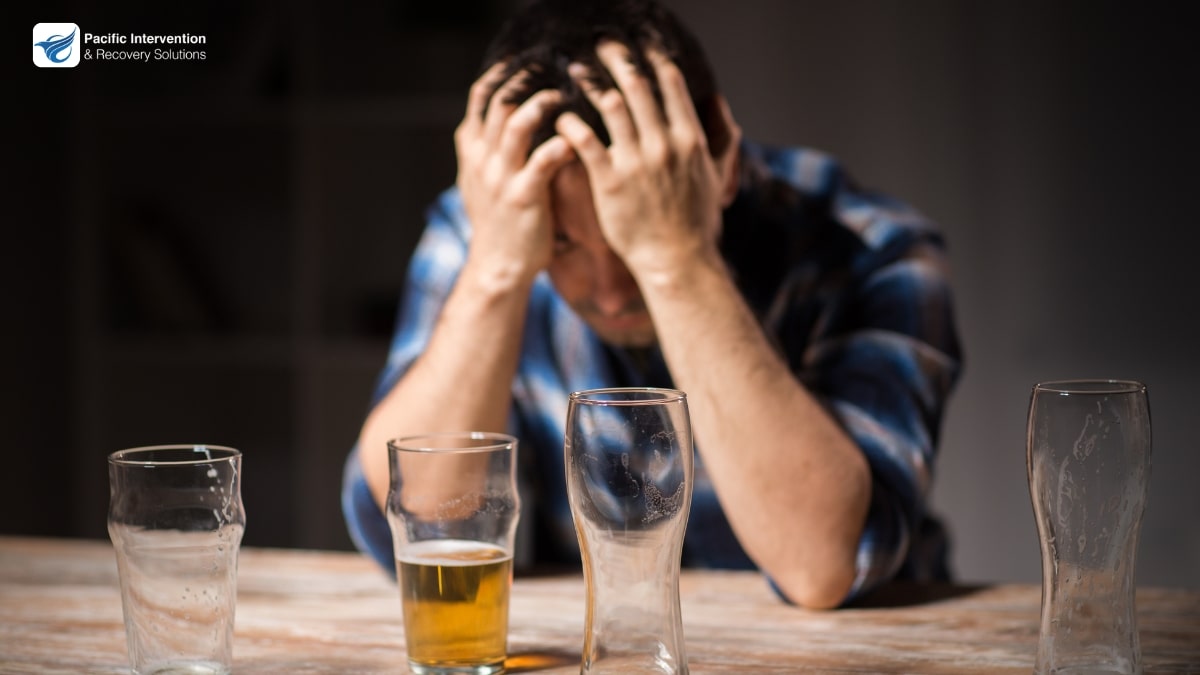
Stages of Alcohol Withdrawal
Alcohol withdrawal follows a typical timeline that progresses through three stages. The duration and intensity of these stages vary depending on the severity of alcohol dependence and the individual’s overall health.
- Stage 1 (6-12 hours after the last drink): During this initial phase, symptoms usually begin mildly with headaches, nausea, sweating, and tremors. Anxiety, restlessness, and insomnia may also appear, but these symptoms tend to be less intense.
- Stage 2 (12-48 hours): As the body continues to adjust, symptoms can intensify. Confusion, rapid heart rate, elevated blood pressure, and irritability are common during this stage. Some people may also experience heightened sensitivity to stimuli like light and sound.
- Stage 3 (48-72 hours): In severe cases, this stage involves delirium tremens (DTs), seizures, and hallucinations. Fever, heart palpitations, and disorientation may occur and require urgent medical attention.
Why is Alcohol Withdrawal Dangerous?
Alcohol withdrawal can be dangerous, particularly for those with a long history of heavy drinking. Severe symptoms such as seizures, hallucinations, and DTs may be experienced, and without medical supervision, these complications can be fatal. That’s why Pacific Interventions stresses the importance of undergoing alcohol detox under professional supervision.

Symptoms of Alcohol Withdrawal
Alcohol withdrawal can manifest through a range of physical and psychological symptoms, which may vary in severity based on the individual’s level of dependence. Around 50% of heavy alcohol users experience some degree of withdrawal symptoms when they reduce or stop drinking. Some of the key symptoms include:
Physical Symptoms:
- Tremors and Seizures: Involuntary shaking, especially of the hands, can occur, and seizures may occur in more severe cases.
- Sweating and Fever: Excessive sweating and high body temperature are common as the body struggles to regulate itself without alcohol.
- Heart Palpitations: A racing or irregular heartbeat can add to feelings of panic and discomfort.
- Delirium Tremens (DTs): The most severe form of alcohol withdrawal, delirium tremens (DTs), involves confusion, agitation, hallucinations, and fever. It affects about 5% to 12% of individuals undergoing withdrawal and carries a mortality rate of 5-15% if left untreated.
Psychological Symptoms:
- Anxiety and Paranoia: Intense feelings of anxiety or irrational fears, sometimes accompanied by paranoia.
- Depression: Withdrawal can lead to feelings of hopelessness, sadness, and low mood, especially as the brain adjusts to functioning without alcohol.
- Hallucinations: Seeing or hearing things that aren’t there is a hallmark of more severe withdrawal symptoms.
- Disorientation and Confusion: Some individuals may struggle to recognize familiar surroundings or people, adding to the distress.
How Long Does Alcohol Withdrawal Last?
The timeline for alcohol withdrawal can vary, but most symptoms start within 6 to 24 hours after the last drink. Symptoms typically peak around 72 hours, though some may last for weeks. The duration and intensity of withdrawal depend on how long and how much alcohol the person has been consuming.

How is Alcohol Withdrawal Treated?
Alcohol withdrawal is managed through medical detox, where healthcare professionals use medications and supportive care to reduce symptoms and prevent complications.
Common Treatments Include:
- Benzodiazepines: To manage anxiety, reduce agitation, and prevent seizures.
- Some people may also be prescribed beta-blockers to help manage high blood pressure and reduce the risk of heart complications.
- IV fluids and nutritional supplements: To address dehydration and vitamin deficiencies. This often includes vitamins like thiamine (B1) to prevent complications like Wernicke-Korsakoff syndrome, a brain disorder related to alcohol abuse.
- Continuous Monitoring: To ensure that severe complications, such as seizures and DTs, are managed promptly.
- In some cases, anticonvulsants may be administered to reduce the risk of seizures further.
Why is Medical Supervision Important for Alcohol Withdrawal?
Attempting to detox from alcohol without medical assistance can be dangerous and even fatal. Severe symptoms like seizures and DTs require immediate intervention, and detox should always be done under medical supervision to ensure safety.
At Pacific Interventions, we provide a safe, controlled environment for alcohol withdrawal, offering both inpatient and outpatient treatment options depending on the individual’s needs.