

What to Expect from Inpatient Alcohol and Drug Addiction Treatment in Vancouver
Not every inpatient alcohol and drug addiction treatment program in Vancouver provides the same level of care. Some programs provide medically supervised withdrawal management, manage medications used to treat substance use disorders, and treat co-occurring mental health conditions with specialized psychiatric support. Others provide addiction counselling, daily recovery education programs, and relapse-prevention support, but may not offer more advanced medical or psychiatric care.
Pacific Interventions helps individuals and families compare programs based on the person’s current substance use pattern, withdrawal risk, physical and mental health, previous treatment history, personal circumstances, and accommodation preferences. The sections below explain how the referral process works, what residential treatment may involve, and what to consider before choosing a treatment program.
Addiction Treatment Centres in Vancouver Provide you with Everything you'll Need to Recover
Most calls we receive begin with practical questions: whether withdrawal needs medical supervision, what treatment costs, how soon admission can happen, how long the program is, whether family can remain involved, and what support is available after discharge. The answers help narrow the options before a referral is made.
During the free and confidential intake call, we ask about current substance use, recent changes in use, previous withdrawal symptoms, current medications, mental health symptoms, past treatment, recovery goals, and immediate safety concerns. We also explain what medical information, documentation, or clearance a program may require before admission.
If residential treatment appears appropriate, we identify programs that provide the services the person needs and explain the referral and admission process. We also discuss practical details such as program length, cost, family involvement, and discharge planning. If residential treatment is not the right fit, we explain other options, such as an alcohol and drug intervention or outpatient treatment before making a recommendation.
Comprehensive Care and Custom Treatment Plans
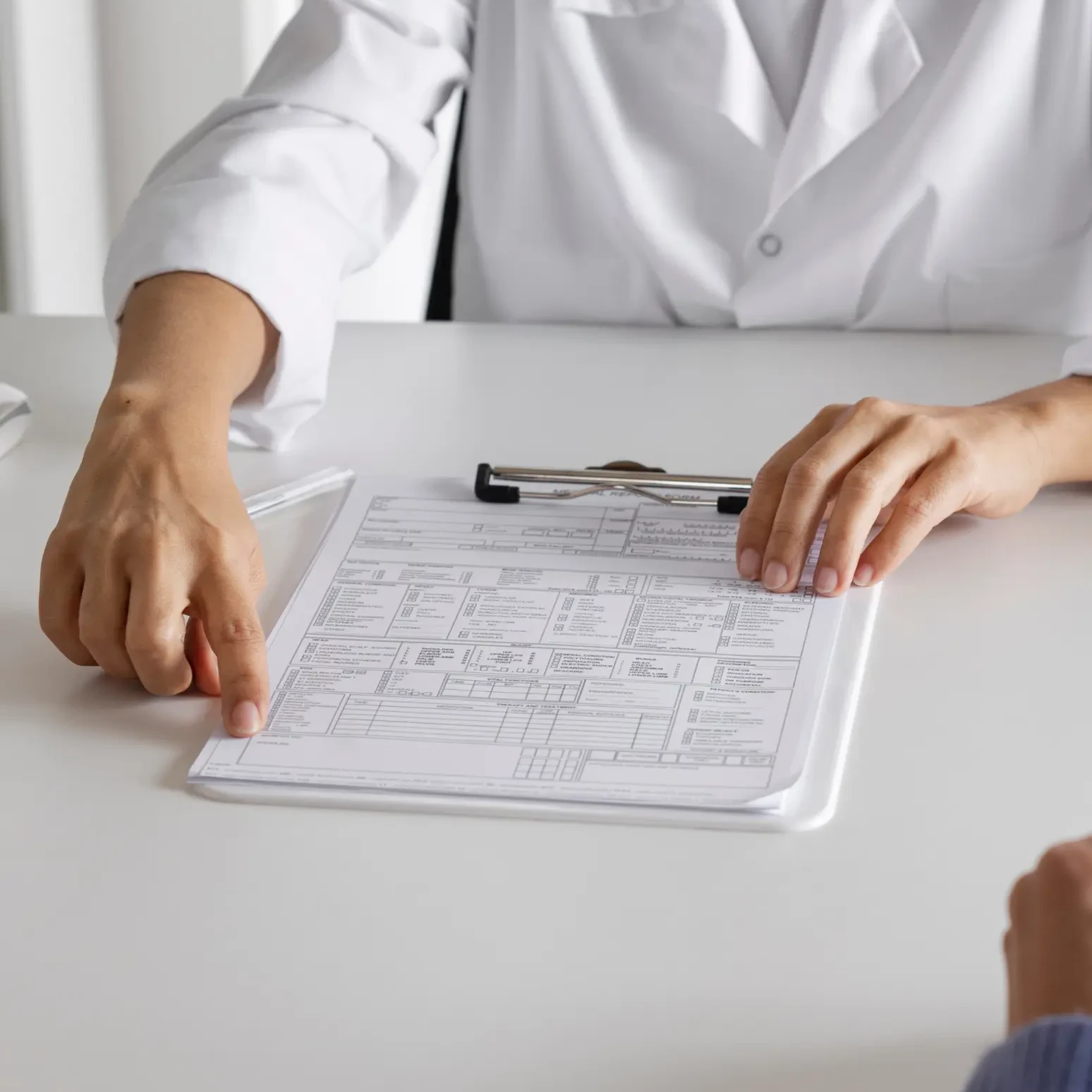
Residential treatment provides accommodation, meals, scheduled programming, and a consistent daily routine. This structure can help people who need distance from substances, unstable living conditions, or environments where continued use is likely.
After admission, the treatment program should complete its own assessment and develop a treatment plan based on the person’s current substance use, withdrawal status, medications, physical and mental health, treatment history, and recovery goals. Depending on the program, care may include individual and group counselling, trauma-informed therapy, medication management, treatment for co-occurring mental health conditions, relapse-prevention planning, family involvement, and discharge planning.
Programs serving Vancouver may treat alcohol, opioids, cocaine, methamphetamine, cannabis, prescription medications, and polysubstance use. Admission criteria and available services differ. A program may treat a particular substance use disorder but lack the medical or psychiatric services required for a person with complex withdrawal risks or co-occurring conditions.
Pacific Interventions helps people in Vancouver, the Lower Mainland, and across Canada access private residential treatment. The receiving program remains responsible for completing its clinical assessment and developing the person’s treatment plan after admission.
Treatment Methods and Personalized Guidance
The various alcohol and drug abuse programs will utilize the best therapeutic modalities such as Cognitive Behavioral Therapy, Wellness, Trauma-Informed Therapy, Harm Reduction, Rational Emotive Behavior Therapy, and Dialectical Behavior Therapy. In some programs, you will have the opportunity to participate in therapeutic community-based support organizations such as Alcoholics Anonymous (AA), Narcotics Anonymous (NA), and SMART Recovery. Please note that not all addiction treatment centers will include this type of community-based support approach. This approach is not well suited to everyone’s preference. This is why it is so important that we find the right addiction recovery program fit for each individual. Alcoholism or drug addiction recovery is a personal journey. Therefore, it’s essential that you are able to commit and invest in the recovery philosophy that works best for you.
We encourage everyone going into a rehab facility to keep an open mind and be willing to try different types of therapy. After all, substance use recovery is about change. The addiction treatment center counseling staff will provide you with personalized therapeutic guidance and direction. Conversely, it is up to you to try these recovery strategies for a period of time in order to reap the rewards. Recovering from alcohol or drug addiction is a process centered on prolonged gratification, so results will take some time. This is the exact opposite of addiction, which is centered on instant gratification. Addiction recovery involves working through difficult challenges and moving forward despite discomfort, but if you stay the course, recovery will pay off in innumerable ways. Empowering you with the specific tools of recovery is the ultimate goal, and to get there, your cooperation and participation are essential. Achieving the freedom you want may not be easy, but the efforts will definitely be worth it.

Helping You Choose Inpatient Alcohol and Drug Addiction Treament Vancouver
From the outset, we are direct about what a private inpatient addiction treatment experience in Vancouver actually looks like. We walk you through the structure, expectations, therapeutic approach, and day-to-day realities, along with the advantages and limitations of different rehab models. If you are hesitant about committing without clarity, our role is to remove that uncertainty. We provide transparent, detailed insight so you understand exactly what you’re stepping into before making a decision.
Our focus is helping you make a fully informed, confident choice about your recovery path. This process is personal, and outcomes are shaped by the decisions you make moving forward, and not by the past. We’re here to give you the information, context, and professional guidance needed to identify the right inpatient alcohol and drug addiction treatment program in Vancouver for your situation. Contact Pacific Interventions to get clear, honest answers and take the next step with certainty.
FAQ's
Inpatient Treatment
Answers to frequently asked questions about inpatient alcohol and drug addiction treatment.
Inpatient alcohol and drug addiction treatment, also known as residential rehab, involves living at a specialized facility while receiving structured clinical care for substance use disorders. This immersive environment provides 24/7 support from licensed professionals and removes environmental triggers that can hinder recovery.
The length of inpatient alcohol addiction treatment varies by individual needs and treatment goals. Programs typically range from 28 to 90 days or longer, depending on clinical recommendations and progress through therapeutic milestones.
Private inpatient drug rehab ranges from $6500-$15,000 a month.
During inpatient drug addiction treatment, clients participate in individual therapy, group counselling, evidence‑based treatments, case management, life‑skills education, relapse prevention planning, and medical monitoring as needed. The goal is to address physical dependence, psychological triggers, and behavioural patterns that contribute to addiction.
Inpatient treatment is recommended for individuals with moderate to severe substance use disorders, those with a history of relapse, co‑occurring mental health conditions, or an unstable home environment. It is also appropriate for people who need medically supervised detoxification and intensive therapeutic support.
Yes. Many inpatient programs begin with medically supervised detoxification to safely manage withdrawal symptoms under clinical supervision. This ensures clients begin their recovery journey in a supportive and controlled environment.
Inpatient treatment often incorporates evidence‑based therapies such as Cognitive Behavioural Therapy (CBT), Dialectical Behaviour Therapy (DBT), Motivational Interviewing (MI), trauma‑informed therapy, family therapy, and holistic support such as mindfulness or wellness programming.
Yes. Family involvement and education are important parts of the recovery process. Many inpatient programs offer family counselling sessions, educational workshops, and support resources to help loved ones understand addiction and strengthen long‑term recovery support at home.
Inpatient care’s effectiveness stems from round‑the‑clock clinical support, removal of environmental triggers, structured routines, peer support, and personalised treatment planning. This focused setting enables individuals to fully engage in therapy and establish a foundation for ongoing recovery.
A comprehensive clinical assessment by a qualified professional can determine if inpatient treatment is the best option based on severity of substance use, physical and mental health needs, support systems, and clinical history.
Aftercare planning is a core part of inpatient treatment. Discharge plans may include referrals to outpatient services, recovery coaching, sober living support, counselling, support groups, and relapse prevention resources to maintain long‑term sobriety.