

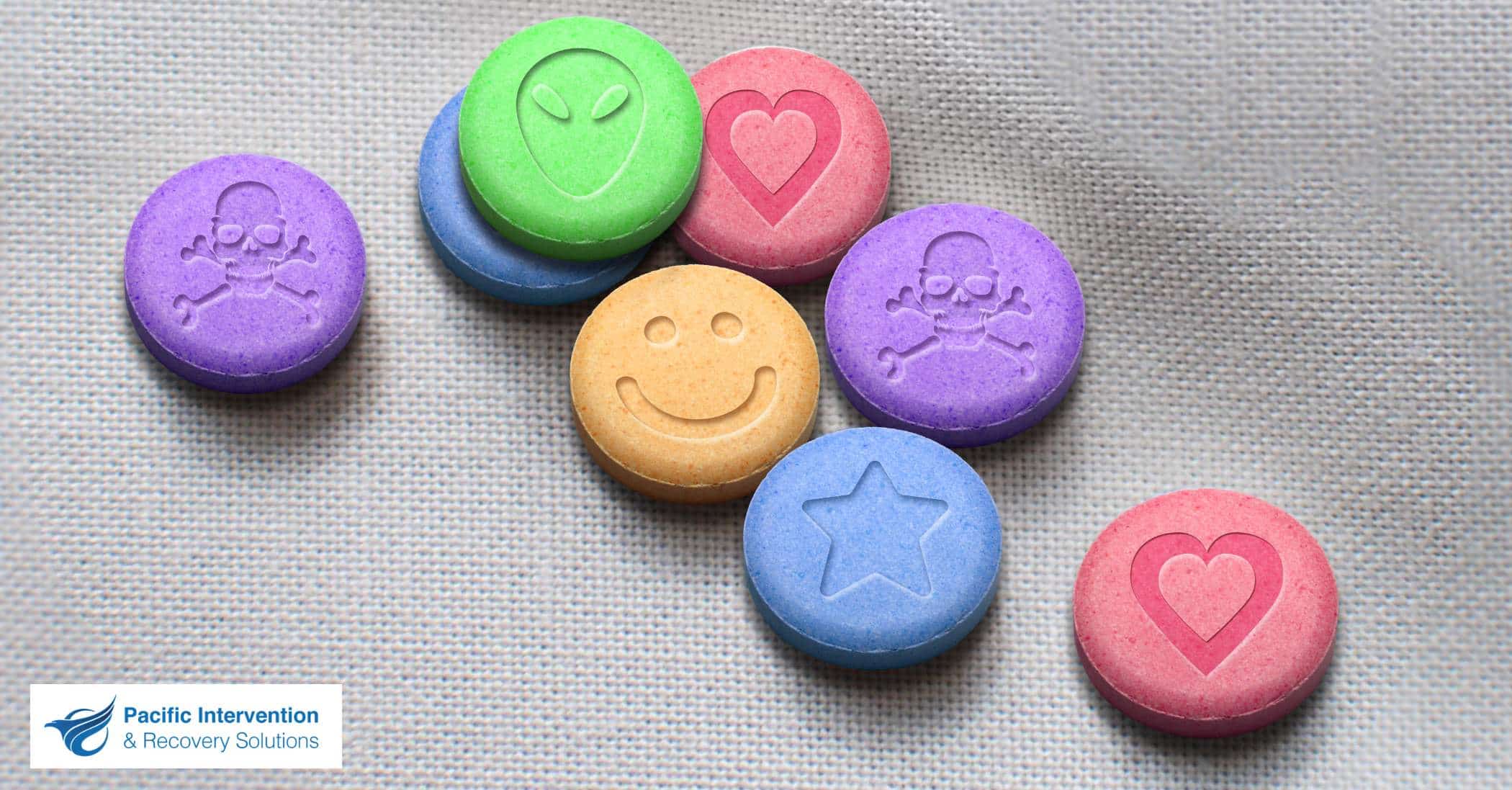
Addiction rarely looks the same for two different people because it exists on a broad spectrum. If you’re looking into MDMA addiction treatment, it may mean your use is starting to feel different or harder to manage, and that’s something you shouldn’t ignore. Some people can maintain their daily lives for a while despite a growing reliance on Molly. Others find that their health and emotions spiral downward very rapidly. Regardless of where you fall on that line the underlying reality is that the drug is taking a toll on your brain and your body.

The physical spectrum and MDMA Addiction Treatment
Because everyone has unique body chemistry the physical impact of MDMA withdrawal can vary dramatically. One person might deal with mild dehydration while someone else might face a life-threatening spike in body temperature known as hyperthermia. The unpredictable nature of withdrawal is why professional MDMA addiction treatment is so important. A medical team evaluates your specific physical status to prevent long-term damage to your heart and kidneys.
How Molly impacts the Heart and Internal Systems
The internal strain depends on how often and how much someone uses.
-
Cardiovascular Health: While some experience temporary heart rate spikes others develop lasting issues like irregular heartbeats or heart valve scarring.
-
Kidney Function: Regular bouts of dehydration and overheating can but significant strain on your kidneys.
-
Neurological Health: Disrupts the brain’s control of sleep, mood, and pain, and over time this can lead to neurological problems that vary in severity.
Why MDMA Becomes Addictive for Different People
The path to dependency is not a straight line. Some people find the pleasurable feelings of the high is what traps them. Others are driven by the need to avoid a physical crash that feels more like a heavy flu. Over time the body builds a tolerance which forces users to take larger amounts to feel the same effect. About 43% of regular users eventually meet the criteria for a substance use disorder.
Brain Chemistry Changes and MDMA Addiction Treatment
The drug changes the brain’s baseline in several ways.
-
Serotonin levels are pushed to the limit. For some this causes a mild depression while for others it can lead to suicidal ideation and deep feelings of despair.
-
Dopamine reward cycle trap is harder for some to break than others depending on genetics and other social factors.
-
Norepinephrine keeps the body in a heightened state. This leads to varying levels of adrenal fatigue and physical exhaustion.
Recognizing Your Place on the Spectrum
Signs of a problem can be subtle or they can be impossible to ignore.
-
Physical Red Flags: This could range from occasional jaw soreness and clenching to severe dental damage and unexplained weight loss.
-
Circulation and Complexion: Some users see a slight dullness in their skin while others deal with obvious rashes and poor circulation.
-
Activity Levels: You might notice a slight drop in energy or a total inability to get out of bed without the drug.
-
Fainting and Dizziness: These are serious indicators that your blood pressure is no longer stable and your heart is under significant stress.
-
Emotional and Social Impact: Experiencing a range of moods from mild irritability to a crushing depression that feels permanent, seeing a decline in work performance, or dealing with conflict in relationships.
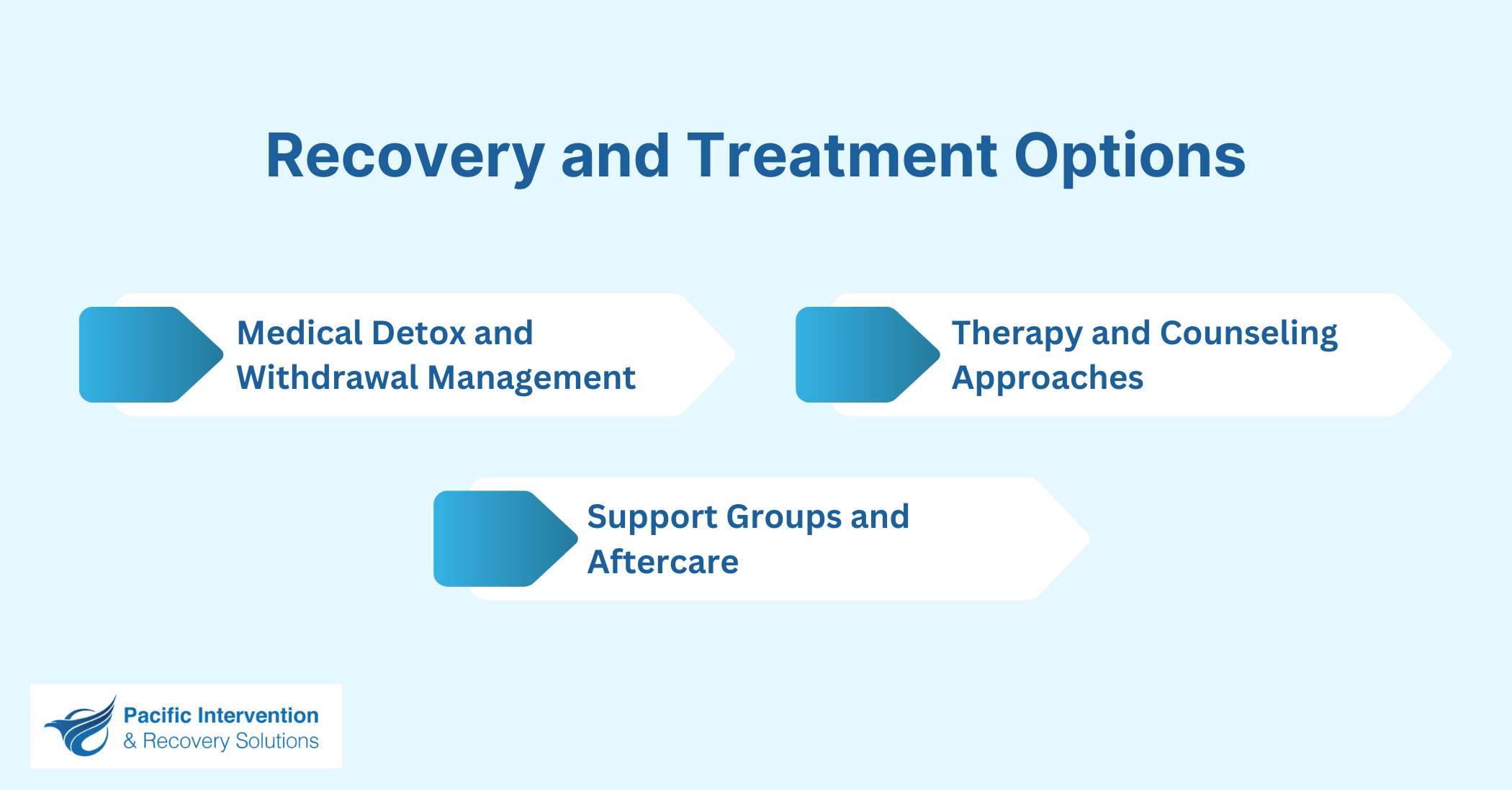
Medical Detox and Withdrawal Management
Detoxification under medical supervision maybe a first step in MDMA addiction treatment. There a two distinct stages to withdrawal.
Acute Withdrawal
The immediate crash starts within 24 hours of the last dose and lasts three to seven days. In an addiction treatment center a medical team can monitor your vitals to ensure your physical health is protected.
-
Body temperature
-
Heart rate
-
Hydration levels
-
Pupil responsiveness
-
Mental state changes
Post Acute Withdrawal Syndrome or PAWS
After the acute withdrawal the brain enters a repair phase that can last weeks or months. This is when your nervous system struggles to regulate serotonin naturally. You may experience waves of depression and sleep issues during this time. Professional addiction care provides the guidance and education needed to handle these long term shifts.
Therapy and Addiction Counselling
Once you are stable the focus shifts to addressing the habits and triggers that drive the need for the drug.
-
Cognitive Behavioral Therapy focuses on identifying distorted thought patterns and replacing destructive behaviors with healthy responses.
-
Group Therapy helps to provide connections with others who understand these struggles.
-
Family Counseling provides a guided path to repairing trust and strengthening bonds and connections.
Support Groups and Aftercare
Long term recovery success relies on a comprehensive aftercare plan that can often lasts up to a year after rehab. These services generally include
-
Twice weekly counseling sessions in person or through a video call
-
Joining support groups like AA or NA to stay connected
-
Regular health check ups to ensure your heart and kidneys are healing
-
Specific relapse prevention plans that account for post acute symptoms
-
Sober-living provides safe supportive post-treatment transitional housing
In Summary
Research confirms that MDMA has a powerful potential for addiction because of how it rewires your brain. Overcoming this struggle requires a combination of medical detox and addiction counselling and long-term aftercare. Pacific Interventions provides the addiction recovery expertise and the guidance needed to help you move forward.
Take the First Step Toward Recovery
If you or someone you love is struggling with the cycle of MDMA use our team is ready to help. Call us at 1-604-537-3503 or book online to speak with an addiction specialist.